Advertising on Google with Outreach Way
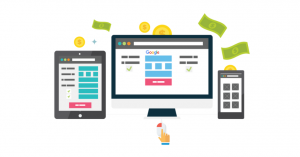
SEO is a long game. Sometimes you need customers this month, not next year. That’s where advertising on Google comes in. With Google Ads, you can appear at the top of the search results today, in front of people who are actively looking for what you sell.
The catch is that Google Ads is also very good at spending money. Without a clear plan, budgets disappear into irrelevant searches and clicks that never turn into enquiries. At Outreach Way, we set up and manage campaigns that are built around one question: what does a new customer actually cost you?
Table of Content
What advertising on Google can do for your business
- Visibility from day one. As soon as a campaign is approved, your ads can start showing.
- Reach people with intent. Someone searching for “accountant near me” is much closer to buying than someone scrolling social media.
- Full control over budget. You decide what you spend per day, and you can pause or adjust at any time.
- Measurable results. You can see which keywords, ads and pages bring in calls, forms and sales.
The campaign types we work with
Google Ads is much more than the text ads above search results. Depending on your goals, we combine:

- Search campaigns: text ads for people searching for your products or services.
- Performance Max: one campaign that runs across Search, YouTube, Display, Gmail, Discover and Maps, driven by Google’s automation and your conversion data.
- Shopping: product listings with an image and price, for webshops.
- Display and Demand Gen: visual ads on websites, apps and Google’s feeds to build awareness.
- YouTube ads: video ads aimed at specific audiences or topics.
- Remarketing: reaching people who already visited your site, for example someone who left a full shopping cart.
- App campaigns: promoting app downloads across Google’s network.
How we approach a campaign
No two businesses have the same goals, so we don’t work with templates. Every campaign starts with the same groundwork, though:
- Goals and tracking. We agree on what counts as a result (a call, a quote request, a sale) and make sure it’s measured properly. Without reliable conversion tracking, smart bidding is just guessing.
- Keyword and audience research. We look for searches with real buying intent and exclude the ones that only cost money.
- Ads and landing pages that match. The best ad in the world won’t convert if it sends people to a generic homepage. We check that every ad leads to a page that answers the searcher’s question.
- Testing and optimisation. We test headlines, offers, bidding strategies and targeting, and move budget to what works. You get clear reports in plain language, not a wall of statistics.
What we won’t promise
Nobody can guarantee you the top spot on Google. Ad positions are decided in an auction every single time someone searches, based on your bid, the quality of your ad and the expected experience on your landing page. What we can promise is a well-built account, honest reporting and constant work to lower your cost per customer.
Combine Google Ads with SEO
Ads bring in traffic for as long as you pay for them. SEO builds visibility that lasts. The strongest results usually come from using both: ads for quick wins and testing which keywords convert, SEO to build organic traffic for those same keywords over time.
Who is advertising on Google right for?
Google Ads works for almost any business that people search for online. We see particularly good results for:
- Local service providers, like plumbers, dentists, lawyers, accountants and repair shops. People search for these services when they need them now.
- Webshops, especially with Shopping and Performance Max campaigns that show products with a photo and price.
- B2B companies with a clear service and a sales team that follows up on leads.
- New businesses that don’t rank in Google yet and need visibility while their SEO is still growing.
- Seasonal businesses that need a lot of traffic in a short period, like travel, events and holiday products.
Google Ads is less suitable if nobody is searching for what you offer yet, for example a completely new type of product. In that case, social media advertising or content marketing is often a better place to start.
What budget do you need?
There’s no fixed minimum, but your budget needs to be big enough to collect useful data. A few things determine what makes sense:
- The cost per click in your industry. In some sectors, like insurance or legal services, clicks are expensive. In others, they cost a fraction of that.
- Your conversion rate. If one in twenty visitors becomes a lead, you need twenty clicks per lead.
- The value of a customer. If one new customer is worth a lot to you, you can afford to pay more per click.
- Your area. Advertising in one city costs less than advertising across a whole country.
During our introductory meeting, we make an estimate together: how many clicks you can expect, what a lead might cost and what budget is realistic for your goals. We’d rather start with a modest budget and scale up based on results than spend a lot on a campaign that isn’t ready yet.
Tracking: the foundation of every campaign
Without good measurement, you’re advertising blind. Before we launch a campaign, we make sure everything is measured properly:
- Conversion tracking for form submissions, phone calls, quote requests, purchases and other valuable actions.
- Google Analytics 4, linked to your Google Ads account, so you can see what visitors do on your website.
- Enhanced conversions where possible, for more accurate measurement in a world with fewer cookies.
- Consent mode, so you respect your visitors’ privacy choices and comply with privacy laws.
- Call tracking, so calls from your ads are counted too, not just forms.
This makes it possible to see which campaigns, keywords and ads really bring in customers, and to let Google’s Smart Bidding optimise for the results that matter to you.
Local visibility: Google Ads and your Business Profile
For local businesses, Google Ads works even better in combination with your Google Business Profile. By linking the two, your ads can show your address, opening hours and reviews, and appear in Google Maps. People can call you or ask for directions with one tap. We also help you optimise your Business Profile, so you’re visible in the local results even without paying for a click.
What you can expect in the first 90 days
- Weeks 1 and 2: setup. Introductory meeting, account audit or new account setup, tracking, keyword research, ads and landing page advice.
- Weeks 3 to 6: learning phase. The campaigns go live. We monitor them closely, add negative keywords, adjust bids and test different ads. Results can fluctuate during this period while Google learns.
- Weeks 7 to 12: optimisation. We shift budget to the best-performing campaigns and keywords, improve the landing pages together with you and work towards a stable cost per lead or return on ad spend.
Every month, you receive a clear report and we discuss the results: what went well, what we’ve changed and what we’ll focus on next.
Writing ads that get clicked
Your ad has only a few seconds to convince someone to click. Responsive search ads let you add up to 15 headlines and 4 descriptions, and Google combines them into the best-performing ads. What we focus on:
- Match the search. If someone searches for “emergency plumber Delhi”, a headline with exactly those words stands out.
- Show what makes you different. Fast delivery, free quotes, years of experience, a guarantee or great reviews.
- Include a clear call to action, like “Request a free quote”, “Call now” or “Order today”.
- Use numbers. Prices, discounts, delivery times and ratings make an ad concrete and trustworthy.
- Add assets. Sitelinks, callouts, structured snippets, images, call buttons and location details make your ad bigger and more useful.
Landing pages that convert
Many campaigns fail not because of the ads, but because of the page people land on. A good landing page:
- Repeats the promise of the ad in the headline, so visitors know they’re in the right place.
- Loads quickly, especially on mobile.
- Focuses on one clear action, like filling in a form or calling.
- Shows trust signals, like reviews, client logos, certifications or guarantees.
- Keeps forms short. Every extra field means fewer people fill it in.
We give concrete advice on improving your landing pages, and if you like, we can build them for you.
Common mistakes we fix in Google Ads accounts
When we audit existing accounts, we often see the same problems:
- No or incorrect conversion tracking, so nobody knows what the ads actually deliver.
- All keywords on broad match without negative keywords, which leads to lots of irrelevant clicks.
- One campaign for everything, so you can’t control the budget per service or product.
- Ads that send everyone to the homepage instead of a page that matches the search.
- Display and search mixed in one campaign, so budget leaks to low-quality placements.
- No ad assets, like sitelinks, callouts and call buttons, which make ads bigger and more attractive.
- Nobody looking at the account for months, while competitors and costs keep changing.
Recognise some of these? Then there’s probably room to get more out of your budget.
Frequently asked questions about advertising on Google
How quickly can I see results with Google Ads?
Your ads can be visible within a day of approval. Meaningful results, like leads or sales, often come in the first weeks. It usually takes one to three months to optimise a campaign and reach a stable cost per customer.
How much does advertising on Google cost?
You decide your own ad budget, which you pay directly to Google. On top of that, there’s our management fee. The right budget depends on your industry, area and goals. We make a realistic estimate in our introductory meeting.
Do I pay for every time my ad is shown?
For most search campaigns, no. You pay per click, so only when someone clicks on your ad. For some campaign types, like video or display, you can also pay per view or per thousand impressions.
Is Google Ads better than SEO?
They do different things. Google Ads gives you immediate visibility for as long as you pay. SEO takes longer, but builds lasting organic traffic. Most businesses get the best results by combining the two.
Can you guarantee the top position on Google?
No, and you should be careful with anyone who does. Ad positions are determined in an auction for every search, based on bid, ad quality and expected landing page experience. We do everything we can to make your ads competitive and cost-effective.
Who owns the Google Ads account?
You do. We set up or manage the account on your behalf, but it stays in your name with your payment details. If you ever stop working with us, you keep the account, the data and the history.
Can you take over my existing Google Ads account?
Yes. We start with an audit to see what’s working and what isn’t, and then make a plan for improvement. There’s no need to start from scratch unless the account structure really doesn’t work.
Do I need a special landing page?
Not always, but it often helps a lot. A landing page that matches the ad and focuses on one clear action usually converts better than a general homepage. We give you concrete advice on what to improve.
Is there a minimum contract period?
We prefer to work together based on results. Google Ads campaigns need some time to learn and optimise, so we usually recommend giving it at least three months to judge the results properly. We’ll discuss the terms openly in our introductory meeting.
Will I get reports on my campaigns?
Yes. Every month you receive a clear report in plain language, showing what your budget delivered: clicks, leads, sales, costs per result and the changes we made. You can also always log in to your own Google Ads account to see the results in real time.
Let’s talk about your campaign
Want to know whether advertising on Google makes sense for your business, or would you like a second opinion on an existing account? Send an email to reach@outreachway.com for a no-obligation introductory call.