
5 Reasons Renting a Home Can Be Better Than Buying
When looking for a place to live, you face several important decisions. Should you rent an apartment, buy a house, or purchase a plot and build your dream home? And perhaps the biggest question of all: is renting better than buying?
There is no single answer that works for everyone. Buying a home can help you build equity over time and provide a sense of stability. Renting, on the other hand, can offer greater flexibility, require less money upfront, and leave you with fewer property ownership responsibilities.
Some people believe renting is a waste of money because the payments do not help them own a property. However, that view overlooks the costs associated with buying a home, including mortgage interest, taxes, insurance, maintenance, and transaction fees.
The right choice depends on your budget, lifestyle, long-term plans, and the housing market where you live.
Here are five reasons renting a home could be the right decision for you.


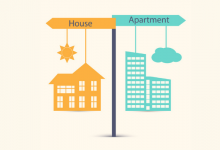
Table of Content
1. Major Repair Costs Usually Aren’t Your Responsibility
One advantage of renting is that you generally do not have to pay for every major repair that a property needs. Depending on local laws and your tenancy agreement, the landlord is usually responsible for maintaining the property and handling certain structural or essential repairs.
For example, if the roof develops a serious leak because of normal wear and tear, the landlord may be responsible for arranging and paying for the repair. The same can apply to certain plumbing, heating, electrical, and structural problems.
However, this does not mean tenants are free from all maintenance responsibilities.
You may need to take care of routine cleaning, minor maintenance, or damage caused by your own negligence. You might also be responsible for specific tasks under the tenancy agreement, provided those obligations are permitted by local law.
Before signing a rental agreement, check who is responsible for repairs, maintenance, and damage. It is also a good idea to document the property’s condition when you move in and report problems promptly.
For homeowners, maintenance can become a significant expense. A broken water heater, damaged roof, or major plumbing problem can require substantial spending, often without much warning. The Consumer Financial Protection Bureau’s guide to homeownership costs highlights the importance of budgeting for these unexpected expenses.
Why it matters: Renting can protect you from some large, unexpected repair bills, allowing you to plan your finances with greater confidence.
2. Renting Requires Less Money Upfront
Buying a house usually requires a significant amount of money before you can move in. Depending on where you live and how you finance the purchase, you may need a down payment, mortgage-related fees, legal expenses, property registration costs, and other charges.
These expenses can make homeownership difficult for people who are still building their savings.
Renting generally requires less initial capital. You may need to pay a security deposit, advance rent, moving expenses, and other charges specified in your rental agreement. However, these costs are often more manageable than the upfront expenses involved in purchasing a property.
For example, someone starting a new job in another city may prefer renting while building an emergency fund. They can secure a place to live without committing most of their savings to a property purchase.
A rental deposit is not necessarily a permanent expense because it may be refundable at the end of the tenancy, subject to the applicable rules and any legitimate deductions. The required amount varies by location and agreement, so do not assume that every landlord can or will request the same deposit.
There is another advantage to having fewer savings tied up in a property. You may be able to keep more money available for education, career development, travel, investments, or emergencies.
Of course, buying can still make financial sense if you have sufficient savings, stable income, and a realistic plan for managing the associated costs.
Why it matters: Renting can make it easier to secure suitable accommodation without committing a large portion of your savings to a single asset.
3. You May Have Fewer Property Ownership Expenses
The monthly rent is not the only cost to consider when comparing renting with buying.
Homeowners may need to budget for mortgage payments, property taxes, home insurance, routine maintenance, major repairs, and homeowners’ association or building fees where applicable. They may also face substantial costs when purchasing or selling the property.
Renters can avoid some of these direct ownership expenses. Depending on the agreement, the landlord may be responsible for certain maintenance costs, building charges, or property-related obligations.
That can make budgeting easier, especially when unexpected repairs would otherwise create financial pressure.
However, renting is not automatically cheaper. Renters may still pay utilities, internet bills, insurance, service charges, and other expenses. In some housing markets, monthly rent may be higher than the mortgage payment on a comparable property.
It is therefore important to compare the total cost of each option instead of looking only at the rent or mortgage instalment.
A useful comparison includes:
- Renting: Monthly rent, utilities, insurance, transport costs, deposits, and any tenant-paid maintenance.
- Buying: Mortgage payments, taxes, insurance, maintenance, repairs, transaction costs, and any building or association fees.
Also consider what happens to the money you save by renting. Keeping it in an appropriate savings or investment account may offer financial benefits, but returns are never guaranteed and depend on the investment chosen.
For a useful breakdown of these expenses, see Fannie Mae’s rent-versus-buy guide.
Why it matters: Renting may leave you with more predictable expenses and fewer ownership-related financial responsibilities, although the result depends on local housing costs and your individual circumstances.
4. Renting Gives You More Flexibility
Your housing needs can change over time. You might accept a job in another city, decide to move closer to family, get married, or need a larger home as your household grows.
When you own a property, moving can involve preparing the home for sale, finding a buyer, paying transaction costs, and arranging another place to live. Selling can take time, and the property’s market value may not have increased as you expected.
Renting can make it easier to respond to these changes.
Suppose you move to a new city for work but are uncertain whether you will stay for two years or ten. Renting allows you to experience the neighborhood, understand your commuting options, and assess local living costs before making a long-term commitment.
The same flexibility can be valuable if you are planning a career change or want to explore different locations before settling down.
However, renting does not mean you can move whenever you want without consequences. Your lease may require advance notice, impose early termination charges, or restrict when you can end the agreement.
Before signing, check the contract’s duration, renewal conditions, notice period, rent increase provisions, and early termination rules.
Buying may be a better fit if you expect to stay in the same place for many years and can comfortably afford the ongoing costs. Buying and selling a property can be expensive, so the length of time you expect to live there is an important part of the decision.
Why it matters: Renting can be a practical choice when your career, family circumstances, or preferred location may change in the near future.
5. Sharing a Rental Home Can Be Easier to Arrange
Living with another person can help divide housing expenses. Friends, siblings, colleagues, and other compatible housemates may choose to share an apartment or house rather than pay for separate accommodation.
Renting can make this arrangement easier because several people may be able to share the costs without purchasing property together.
For example, two friends moving to a new city may rent a two-bedroom apartment. They can divide the rent and eligible household expenses while keeping more of their savings available for other goals.
The arrangement can also work for siblings or people who want company while living away from home.
Buying a property together is possible, but it can involve more complicated financial and legal decisions. The buyers need to agree on ownership shares, mortgage obligations, maintenance expenses, and what happens if one person wants to sell or move out.
Joint renting has its own challenges, though. A landlord may need to approve additional occupants, and the lease may determine who is responsible for unpaid rent or damage. You should also agree on the division of expenses and what happens if one housemate leaves.
Before sharing a rental, check the occupancy rules, tenancy agreement, deposit arrangements, and notice requirements.
Why it matters: Renting can provide a convenient way to share accommodation and living expenses without taking on the responsibilities of joint property ownership.
Is Renting Better Than Buying a Home?
Renting can be a sensible choice, but it is not always the better option. The answer depends on your financial position, housing market, and plans for the future.
Consider renting if you need flexibility, have limited savings for an upfront property purchase, or are unsure where you want to live long term.
Buying may be worth considering if you have a stable income, enough money for the initial costs, a plan to remain in the property for several years, and sufficient savings to handle repairs and other unexpected expenses.
It is also important to remember that a home is more than a financial investment. Security, location, family needs, privacy, and the freedom to make changes to your living space may all influence your decision.
Before committing, compare the total cost of renting with the total cost of owning a similar property. Consider what you could do with the money you would otherwise spend on a down payment, and account for the risks associated with both choices.
The best decision is the one that supports your financial well-being and lifestyle without stretching your budget too far.
Frequently Asked Questions
Is renting a waste of money?
No. Rent pays for the use of a home, just as other regular expenses pay for services or goods you need. Renting does not build ownership in the property, but it can provide flexibility and reduce certain costs associated with buying. Whether renting or buying is more beneficial depends on your circumstances.
Is renting cheaper than buying a house?
It can be, but not in every market. Renters may avoid certain ownership expenses, including major repairs and some property-related charges. However, rent, utilities, insurance, and other costs can add up. Compare the full costs of both options before deciding.
What are the main disadvantages of renting?
Renters generally do not build equity in the property through their rent payments. They may also face rent increases, restrictions on making changes to the home, lease renewal uncertainty, and the possibility of having to move when the tenancy ends.
When should you consider buying instead of renting?
Buying may suit you if you have stable finances, adequate savings, and a reasonable expectation of staying in the same property for several years. You should also be able to cover ongoing ownership costs and unexpected repairs without jeopardizing your financial security.
Final Thoughts
Renting deserves consideration alongside buying when you are deciding where to live. It can reduce the amount of money you need upfront, provide flexibility when life changes, and spare you from some of the financial responsibilities that come with owning a property.
At the same time, renting comes with its own costs, contractual obligations, and uncertainties. Buying can offer long-term stability and the opportunity to build equity, but it also requires careful financial planning.
Take the time to understand your budget, compare the real costs, and think about how long you intend to stay. You do not need to buy a home simply because other people believe it is the better financial decision.
The right home is not necessarily the one you own. It is the one that fits your needs, your finances, and your plans for the future.
