How to Maintain a Safe and Secure Website
Table of Content
Introduction
A website can be an important part of a business, whether it brings in leads, supports customers, publishes content, or processes orders. But keeping a website online is only part of the job. It also needs to protect visitor information, resist common attacks, and recover quickly if something goes wrong.
Website security is not a one-time setup. Threats change, software receives updates, accounts can be compromised, and certificates can expire. A safer approach is to combine preventive measures with regular checks and a clear recovery plan.
This guide explains how to maintain a safe and secure website, from setting up HTTPS and updating software to managing access, creating backups, monitoring suspicious activity, and testing your site’s defenses.




1. Use HTTPS and Maintain Your TLS Certificate
HTTPS protects the connection between a visitor’s browser and your web server. It encrypts data in transit and helps the browser verify that it is connecting to the domain named in the certificate.
People often refer to this as an SSL certificate, but SSL is obsolete. Modern websites use Transport Layer Security (TLS). The term “SSL certificate” is still widely used, including by hosting providers.
HTTPS is important for login pages, contact forms, customer portals, and payment flows. It is also a lightweight Google Search ranking signal, although using HTTPS does not guarantee higher rankings. More importantly, HTTPS is not a complete defense against hacking. It protects the connection, not every part of the website.
How to maintain HTTPS correctly
- Confirm that the certificate covers every hostname you use, including
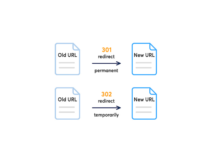
wwwor relevant subdomains. - Set up permanent redirects from HTTP URLs to the corresponding HTTPS URLs.
- Update internal links, canonical tags, and XML sitemaps to use the preferred HTTPS URLs.
- Fix mixed content, which occurs when an HTTPS page loads resources such as images, scripts, or stylesheets over HTTP.
- Enable automatic certificate renewal where possible, then verify that renewal is working.
- Monitor certificate expiration and investigate browser certificate warnings promptly.
A free certificate from a trusted certificate authority can provide strong encryption when configured correctly. A paid certificate does not automatically mean stronger encryption. Choose certificate validation options based on your organization’s identity-verification or compliance requirements.
For technical guidance, see Google Search Central’s HTTPS documentation.
2. Keep Your CMS, Plugins, Themes, and Dependencies Updated
Outdated software is a common source of website vulnerabilities. Attackers may target known weaknesses in content management systems, plugins, themes, libraries, server packages, or custom applications.
Apply security updates promptly. If you use a content management system such as WordPress, review updates for the core platform, themes, and plugins. For a custom website, maintain the frameworks, packages, runtime, and server software it depends on.
Before applying major updates, test them in a staging environment and keep a recent backup. Remove plugins, themes, packages, and extensions that are no longer needed. Unused software can still create risk if it remains installed and unmaintained.
Practical checklist:
- Review security advisories and update notifications regularly.
- Use supported versions of your platform and runtime.
- Remove abandoned or unused extensions.
- Test important workflows after updates.
- Keep a record of what changed and when.
3. Use Strong Passwords and Multi-Factor Authentication
A strong password helps, but password reuse can undermine it. If a password exposed in a breach is used on your website account, attackers may try it on other services.
Use unique passwords for hosting, domain registration, content management, databases, email, and administrator accounts. A reputable password manager can help generate and store them. Enable multi-factor authentication (MFA) wherever it is available, especially for administrator, hosting, domain registrar, and cloud accounts.
Avoid shared administrator logins. Give each person an individual account so access can be tracked and removed when their role changes. Where supported, use single sign-on and centralized access controls for business teams.
4. Limit Access and Apply the Principle of Least Privilege
Not everyone who works on a website needs full administrator access. Give users only the permissions required to do their jobs. For example, a content editor may need permission to publish articles but not to change server settings or manage user accounts.
Review access regularly, particularly when employees, contractors, or agencies leave a project. Remove inactive accounts, rotate shared credentials if they cannot be eliminated, and protect privileged accounts with MFA.
Keep production access limited. Avoid using administrator accounts for routine tasks, and use separate accounts for everyday work and sensitive maintenance when the platform supports it.
5. Create and Test Backups
Backups help you recover after accidental deletion, a failed update, ransomware, or a compromised website. However, a backup is useful only if it is recent, complete, and restorable.
Back up both website files and databases. Store copies separately from the production environment, and restrict who can delete or modify them. For important websites, consider an offline or immutable backup copy to reduce the risk that an attacker can alter every backup.
Set a backup schedule based on how often your content and data change. A frequently updated store or application may need more frequent backups than a mostly static site.
Backup checklist:
- Automate backups and monitor failed jobs.
- Keep multiple restore points.
- Store at least one copy outside the production account or server.
- Encrypt backups when they contain sensitive information.
- Test restoration periodically, not just backup creation.
- Document who can restore the site and how long recovery should take.
6. Use a Web Application Firewall and DDoS Protection
A web application firewall (WAF) can inspect HTTP traffic and block or challenge requests that match suspicious patterns. Depending on the service and configuration, it may help reduce exposure to common web attacks, automated abuse, and malicious bots.
Distributed denial-of-service (DDoS) protection can help keep a site available when it receives a flood of traffic. A content delivery network (CDN) may also improve delivery performance and provide additional security features.
These services are not a substitute for fixing vulnerable application code. Review firewall rules, avoid blocking legitimate users, and monitor alerts so you can distinguish real threats from false positives.
7. Protect Forms, APIs, and User Input
Forms, search boxes, login pages, upload fields, and APIs can expose a website to attacks if input is handled unsafely. Validate input on the server, use parameterized database queries, encode output appropriately, and follow secure coding practices for your framework.
For authentication and account features:
- Rate-limit login attempts and sensitive endpoints.
- Use secure password-reset flows and short-lived, single-use reset tokens.
- Apply authorization checks on the server for every protected resource.
- Set appropriate limits and file-type checks for uploads.
- Avoid exposing stack traces, database errors, or secrets to visitors.
- Keep API keys and credentials out of public code repositories and client-side bundles.
For payment processing, use a reputable payment provider and follow the security and compliance requirements that apply to your business. HTTPS alone does not make payment handling secure.
8. Scan for Malware and Monitor Suspicious Activity
Security monitoring can help you spot unusual behavior before it becomes a larger incident. Depending on your hosting environment, monitor server logs, administrator activity, file changes, failed logins, unexpected redirects, and spikes in requests.
Use a reputable website security scanner or malware detection service when appropriate. Treat scanner results as signals to investigate rather than proof that a site is either safe or compromised. Automated tools cannot detect every vulnerability.
Set alerts for important events, such as repeated failed logins, unexpected administrator creation, certificate expiration, backup failures, and sudden changes to critical files. Make sure someone is responsible for reviewing the alerts.
If you suspect a compromise, avoid simply deleting a suspicious file and assuming the issue is resolved. Preserve relevant logs, restrict affected access, investigate the entry point, remove malicious changes, patch the underlying weakness, and restore from a known-good backup if necessary.
9. Secure Your Hosting, Server, and Domain Accounts
Website security depends on more than the website code. A compromised hosting account or domain registrar account can allow an attacker to change files, redirect visitors, or take control of a domain.
Use a reputable hosting provider and keep server software supported. Disable services and ports that are not needed, restrict remote administration, and use secure protocols and key-based authentication where appropriate. Store secrets in environment variables or a suitable secrets manager rather than hard-coding them into source files.
Protect your domain registrar account with MFA and keep recovery details current. Consider domain transfer locks and registry protections where available. Review DNS records periodically so unexpected changes are easier to spot.
If you use cloud hosting, review identity and access management permissions, storage bucket access, security groups, and audit logs. Avoid making storage or administrative interfaces public unless there is a clear requirement.
10. Add Security Headers and Use Secure Cookie Settings
Security headers help browsers apply additional protections. Depending on your website, useful options may include:
- Content-Security-Policy (CSP): Restricts which sources can load scripts and other resources. Start with a tested policy because an overly strict policy can break legitimate site features.
- Strict-Transport-Security (HSTS): Tells browsers to use HTTPS for future visits after the policy is received. Configure it carefully, especially before including subdomains.
- X-Content-Type-Options: Helps prevent browsers from interpreting a response as a different content type.
- Referrer-Policy: Controls how much referrer information the browser sends.
- Permissions-Policy: Limits access to selected browser features.
For session cookies, use the Secure attribute so they are sent only over HTTPS, the HttpOnly attribute when JavaScript should not read them, and an appropriate SameSite setting. The right configuration depends on the application’s login and integration requirements. Test changes before deploying them to production.
11. Test Your Website and Review Security Regularly
A website that was secure six months ago may no longer be secure today. New vulnerabilities appear, staff access changes, and software updates can introduce configuration issues.
Use a regular review schedule. A small business website might start with a monthly review of updates, accounts, backups, and alerts, plus additional checks after significant changes. Higher-risk applications may need more frequent testing and formal security assessments.
Useful checks include:
- Reviewing dependency and platform security advisories.
- Scanning the site for known vulnerabilities and configuration issues.
- Testing forms, login flows, permissions, and file uploads.
- Checking HTTPS redirects, certificate validity, and mixed content.
- Reviewing logs for unusual access or unexpected changes.
- Running authorized penetration tests for applications that handle sensitive data or face higher risks.
Only test systems you own or have explicit permission to assess. Automated scans and penetration tests should be scoped carefully to avoid disrupting production services.
12. Prepare an Incident Response Plan
No security measure can guarantee that a website will never be compromised. A response plan helps your team act quickly and consistently if an incident occurs.
Document who is responsible for technical response, business decisions, customer communication, and contacting hosting or security providers. Keep emergency contact details accessible outside the website environment.
Your plan should explain how to:
- Confirm and assess the incident.
- Contain affected systems and disable compromised credentials.
- Preserve logs and other evidence needed for investigation.
- Remove the cause, patch vulnerabilities, and restore trusted files or data.
- Verify the site before returning it to normal operation.
- Notify affected users or authorities when required by applicable law.
- Review what happened and improve controls to reduce the chance of recurrence.
Practice the plan periodically. A short, tested procedure is more useful than a document no one has read.
Website Security Checklist
Use this checklist as a starting point and adjust it to the risks and technology of your website.
- [ ] HTTPS works on all required hostnames, and the TLS certificate renews successfully.
- [ ] HTTP URLs redirect to the preferred HTTPS URLs.
- [ ] CMS, plugins, themes, frameworks, and server packages are supported and updated.
- [ ] Administrator and hosting accounts use unique passwords and MFA.
- [ ] User permissions follow the principle of least privilege.
- [ ] Automated backups run successfully and restoration has been tested.
- [ ] A WAF or equivalent protection is configured where appropriate.
- [ ] Forms, APIs, authentication, and file uploads have been reviewed.
- [ ] Malware and suspicious-activity monitoring is enabled where appropriate.
- [ ] Domain registrar, DNS, hosting, and cloud accounts are protected.
- [ ] Security headers and cookie settings have been tested.
- [ ] A documented incident response and recovery process is available.
Common Website Security Mistakes
Assuming HTTPS is enough
HTTPS protects data in transit, but it does not repair insecure code, stop every phishing attempt, or prevent account compromise. Combine it with updates, access controls, backups, and monitoring.
Installing updates without a recovery plan
Updates are important, but a faulty deployment can break a site. Maintain backups, test major changes in staging, and have a rollback plan.
Keeping unused plugins and accounts
Old plugins and inactive accounts can remain potential entry points. Remove what you no longer need and review access regularly.
Backing up without testing restoration
A successful backup job does not prove the files can be restored. Test the recovery process and make sure backups are protected from the same incident that could affect production.
Ignoring alerts
Security tools are only useful if someone reviews their warnings. Assign responsibility for monitoring and define what action is required for high-priority alerts.
Frequently Asked Questions
How can I maintain a safe and secure website?
Use HTTPS, keep software updated, enforce strong passwords and MFA, limit user permissions, create and test backups, monitor suspicious activity, and review security regularly. The exact controls depend on your platform and the sensitivity of the data you handle.
What is the first step in website security?
Start by checking that HTTPS is configured correctly, all software is supported and updated, and administrator accounts are protected with unique passwords and MFA. Then confirm that you have a recent, restorable backup.
Does an SSL certificate protect my website from hackers?
No. An SSL/TLS certificate supports an encrypted HTTPS connection and helps verify the domain. It does not prevent attacks that exploit vulnerable software, weak authentication, insecure APIs, or compromised accounts.
Is a free SSL certificate safe?
A certificate from a trusted certificate authority can provide strong encryption even if it is free. Make sure it covers the correct hostnames, is installed correctly, and renews before expiration.
How often should I check website security?
Review updates, backups, account access, and alerts regularly. A monthly checklist is a reasonable starting point for many small sites, but sites handling payments, sensitive information, or high traffic may need continuous monitoring and more frequent assessments.
Do small business websites need a web application firewall?
Not every website needs the same setup, but a WAF can help filter malicious web requests and reduce exposure to some common attacks. Choose controls based on the site’s risk, hosting environment, budget, and the types of data it handles.
Can a website be hacked even if it uses HTTPS?
Yes. HTTPS protects information moving between the browser and server. Attackers may still exploit outdated plugins, vulnerable application code, weak passwords, exposed credentials, or misconfigured servers.
What should I do if my website is hacked?
Contact your hosting or security provider if needed, restrict compromised access, preserve relevant logs, identify and fix the entry point, remove malicious changes, and restore from a known-good backup when appropriate. Change affected credentials and check whether user data or legal notification obligations are involved.
Conclusion
Maintaining a safe and secure website requires ongoing attention, not just installing a certificate once. HTTPS is an essential starting point, but effective protection also depends on current software, strong authentication, carefully managed access, tested backups, secure application code, monitoring, and a recovery plan.
Start with the basics: verify HTTPS, update your platform, protect administrator accounts, and test your backups. Then add controls that fit your website’s risks and review them on a regular schedule. These habits reduce avoidable weaknesses and help you respond more confidently when something goes wrong.
Need Help Securing Your Website?
If you need help reviewing your website’s HTTPS configuration, certificate setup, or wider technical security, contact the Outreachway team to discuss your requirements.