10 Most Peaceful and Low Budget Tourist Destinations in India
Beautiful Low Budget Tourist Places

Sometimes you just need a break: somewhere calm, beautiful and easy on the wallet. India is full of such places, from quiet mountain villages to sleepy coastal towns and historic cities. If you are planning a trip like that, here are some destinations that will win your heart and help keep your expenses down. Below each one, we share what to see and a few tips for travelling on a budget.
A quick note before you go: “low budget” depends a lot on when and how you travel. Prices for hotels and transport rise sharply during holidays, long weekends and peak season. Travelling off-season, booking trains early and staying in homestays or guesthouses can make even popular places affordable.
Table of Content
Kasol
Situated in the Parvati Valley in Himachal Pradesh, Kasol is quite famous. It is often called a little piece of heaven on earth, because nature itself seems to have decorated it. The sound of the Parvati River rushing over the stones captivates visitors. Kasol lies about 42 km from Kullu, at an altitude of around 1,640 meters. It may be smaller than other hill stations, but it is different in terms of beauty. Here you will feel very close to nature.



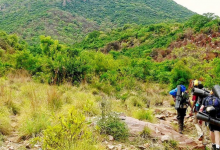
What to do: walk along the river, explore the villages of Chalal and Tosh, and visit the gurudwara and hot springs at Manikaran a few kilometres away. The trek to Kheerganga, with its hot spring at the top, is popular with fit walkers.
Budget tip: Kasol has many inexpensive guesthouses and cafés. Overnight buses from Delhi to Bhuntar are a common low-cost way to get there. Avoid the monsoon months, when landslides can disrupt mountain roads.
Mussoorie
Mussoorie is one of India’s best-loved hill stations. Because of its beauty, it is also known as the Queen of the Hills. It lies about 35 km from Dehradun in Uttarakhand, with views of the Doon Valley on one side and Himalayan peaks on the other on clear days. It is a pleasant, relaxing place to visit.
What to do: stroll along the Mall Road, take the cable car to Gun Hill, walk up to Lal Tibba for views, and visit Kempty Falls. The old Landour area above the town is quieter, with colonial-era buildings, small bakeries and peaceful walking trails.
Budget tip: visit midweek and outside summer holidays and long weekends, when the town is at its busiest. Dehradun is well connected by train, and shared taxis and buses run up the hill.
Goa
Goa is famous all over the world for its beautiful beaches. Yet many people don’t realize that it can also be done on a modest budget, especially outside the peak months around Christmas and New Year. You can enjoy the sea, explore the old churches, and try the superb seafood that is the region’s specialty.
What to do: for peace and quiet, head to the beaches of South Goa, such as Palolem, Agonda and Cola, rather than the busier northern stretches. Visit the churches of Old Goa, wander through the colourful lanes of Fontainhas in Panaji and explore spice plantations inland.
Budget tip: hiring a scooter is often the cheapest way to get around, but always wear a helmet and carry a valid licence. Local beach shacks and small family restaurants usually serve excellent food at lower prices than resorts. The monsoon season is the cheapest, but many beach shacks close and the sea can be rough.
Alwar
Alwar is one of the most beautiful places in Rajasthan, and less crowded than Jaipur or Udaipur. It is full of historic buildings and nestled among the Aravalli hills. Its ancient name is said to have been ‘Shalvpur’. Alwar has lovely lakes, impressive palaces, temples, monuments and large forts.
What to do: visit the City Palace and its museum, Bala Quila fort overlooking the town and Siliserh Lake. Nearby, the Sariska Tiger Reserve offers safaris, and the ruins of Bhangarh fort attract many curious visitors.
Budget tip: Alwar is an easy trip from Delhi or Jaipur by train or bus, which makes it a great choice for a short weekend getaway. Visit between October and March, when the weather is pleasant.
Coorg
Coorg, in Karnataka, is also known as Kodagu. It is one of the country’s best-known hill destinations. Visitors are struck by the beauty of this region nestled among the hills of the Western Ghats. Thanks to its misty, green landscape, it is sometimes called the Scotland of India. Every year, many visitors from India and abroad come to enjoy its rivers, waterfalls, forests, coffee plantations and the sound of birdsong.
What to do: visit Abbey Falls, watch the sunset from Raja’s Seat in Madikeri, see the Tibetan settlement and Golden Temple at Bylakuppe, and take a walk through the coffee estates.
Budget tip: homestays on coffee plantations are a good-value way to stay, and often include home-cooked Kodava meals. Bengaluru and Mysuru are the nearest major cities, with buses running regularly to Madikeri.
Hawa Mahal
Hawa Mahal, in Jaipur, is a palace built of red and pink sandstone and one of the most photographed buildings in India. It was built in 1799 by Maharaja Sawai Pratap Singh, the grandson of Maharaja Sawai Jai Singh II, who founded Jaipur. With its many small windows, it allowed the royal women to watch the street life below without being seen, and to catch the cool breeze that gives the “Palace of Winds” its name.
What to do: combine Hawa Mahal with other sights in Jaipur, such as the City Palace, the Jantar Mantar observatory and Amer Fort just outside the city. Rajasthan’s composite tickets, which cover several monuments, can save money if you plan to see a lot.
Budget tip: go early in the morning, when the light on the façade is beautiful and the crowds are smaller. The cafés across the road offer a great view of the palace for the price of a cup of tea. Jaipur has accommodation for every budget.
Agra Fort
Agra Fort is a historic fort in the city of Agra and a UNESCO World Heritage Site. It served as the main residence of the emperors of the Mughal dynasty until 1638, when Shah Jahan moved the capital from Agra to Delhi. Visitors are amazed by the beauty of this red sandstone fort. From the Musamman Burj, an elegant octagonal tower, you can look across the river to the Taj Mahal. According to tradition, Shah Jahan spent his final years here, after he was imprisoned by his son Aurangzeb, gazing at the tomb he built for his wife.
What to do: combine the fort with the Taj Mahal, the “Baby Taj” (the tomb of Itimad-ud-Daulah) and Mehtab Bagh, a garden across the Yamuna with a calm view of the Taj at sunset.
Budget tip: Agra is an easy day trip from Delhi by train. Visit in the cooler months, and start early to avoid both the heat and the crowds. Book tickets online through official channels where possible.
Silvassa
Silvassa was little known until the Portuguese made it the administrative capital of the region in the late 19th century. Today it is part of the union territory of Dadra and Nagar Haveli and Daman and Diu. Visitors can still see traces of its Portuguese past, including a Roman Catholic church with Portuguese-style architecture. The atmosphere is relaxed, with cottages, farms and forested hills around the town, and a strong tribal culture.
What to do: visit the Tribal Cultural Museum, the Vanganga Lake garden and the Vasona Lion Safari, and explore the riverside and nearby forest areas.
Budget tip: Silvassa is close to Vapi railway station and makes an easy short trip from Mumbai or Surat. It is quieter and more affordable than many better-known weekend destinations.
Wayanad
Wayanad, a district in Kerala, is one of the state’s most popular nature destinations. Its lush green mountains, spice and tea plantations and forests make it a beautiful and peaceful place. There are many old temples here, and the region is surrounded by hills and valleys on all sides.
What to do: see the ancient rock carvings in the Edakkal Caves, hike up Chembra Peak with its heart-shaped lake, visit the Banasura Sagar Dam and look for wildlife in the Wayanad Wildlife Sanctuary.
Budget tip: homestays and small resorts offer good value, especially outside the main holiday season. In July 2024, parts of Wayanad were hit by devastating landslides. Most of the district is open to visitors, and tourism supports the local economy, but always check current travel advisories and weather warnings before you go, especially during the monsoon.
How to travel in India on a low budget
- Book trains early. Indian Railways is one of the most affordable ways to travel long distances, but popular trains fill up quickly.
- Travel off-season or midweek. Prices for rooms can drop dramatically outside peak dates.
- Stay in homestays and guesthouses. They are often cheaper than hotels and give you a more personal experience.
- Eat where the locals eat. Small local restaurants and dhabas usually serve fresh, inexpensive food.
- Use public transport and shared taxis where it is safe and practical.
- Look for free attractions, such as walks, viewpoints, markets, beaches and many temples.
- Set a daily budget and keep track of your spending.
Best time to visit these destinations
- Kasol and Mussoorie: March to June and September to November are generally pleasant. Winters are cold, and heavy rain in July and August can disrupt mountain roads.
- Goa: November to February has the best weather but the highest prices. October and March are a good compromise.
- Alwar, Jaipur and Agra: October to March, as summer temperatures in Rajasthan and Uttar Pradesh can be extreme.
- Coorg and Wayanad: October to May is usually best. The monsoon brings lush scenery but also heavy rain and landslide risk.
- Silvassa: October to March is the most comfortable, while the monsoon makes the countryside very green.
Packing tips for a budget trip
Pack light so you can use trains, buses and shared taxis easily. Bring layers for the hills, where evenings are cool even in summer, and a light rain jacket during the monsoon. A refillable water bottle, a small first aid kit, a power bank and a scarf or shawl for visiting temples and gurudwaras are useful almost everywhere. Keep digital copies of your ID and bookings on your phone, and carry some cash, as small shops and remote areas don’t always accept cards, though UPI is now widely used.
Travel responsibly
Peaceful places stay peaceful only if visitors treat them with care. Take your rubbish with you, especially in the mountains, where waste collection is difficult. Respect local customs and dress codes at religious sites, ask before photographing people, and support local businesses. In wildlife areas, follow the rules and keep your distance from animals.
Also Read: 5 Best and Cheapest Travel Destinations in India
Frequently asked questions about peaceful, low budget destinations in India
Which is the cheapest peaceful place to visit in India?
Places like Kasol, Alwar and Silvassa can be very affordable, especially off-season. Your total cost depends mostly on how you travel, where you stay and when you go.
What is the best time to visit hill stations like Kasol and Mussoorie?
Spring and autumn are generally pleasant. Summer is popular but busier and more expensive. Avoid heavy monsoon periods in the mountains because of landslide risk.
Is Goa affordable for budget travellers?
Yes, if you avoid the peak Christmas and New Year period. Staying in guesthouses, eating at local restaurants and hiring a scooter can keep costs down.
How can I save money while travelling in India?
Book trains in advance, travel off-season, stay in homestays, eat local food and use public transport. Setting a daily budget helps you keep track.
Is it safe to visit Wayanad?
Most of Wayanad is open to tourists, but parts of the district were badly affected by landslides in 2024. Check current advisories and weather warnings before you travel, especially in the monsoon.
How many days do I need for these destinations?
Places like Alwar, Agra or Silvassa can be visited in a weekend. For Kasol, Coorg or Wayanad, plan at least three to four days so you have time to relax.